
Updated 2026-11-26 · Lubbock Rodent Control
Rodent problems in the Lubbock area follow a predictable calendar, shaped by the climate, the water and the age of the housing.
The rodent calendar
- Late September to December: the big push indoors. Cooler nights send mice into garages, sheds, walls and attics. This is when most calls happen.
- Winter: mice that got in breed indoors. Activity in walls and ceilings is common, and populations grow if nothing is done.
- Spring: squirrels look for nest sites in attics; heavy rains can flood burrows and push rats into new areas.
- Summer: rats are most active outdoors around trash, compost and gardens; dead-rodent odors are worse in the heat.
Playa lakes, draws and irrigation ditches
Lubbock sits on the flat Llano Estacado with no major river through town. Rain collects in playa lakes and low drainage draws, such as Yellow House Draw and the Canyon Lakes system, and in irrigation ditches around the edge of town. Those green, damp corridors give Norway rats and mice water, cover and food, and cotton and grain fields just outside the city push more rodents toward town after harvest.
Housing age
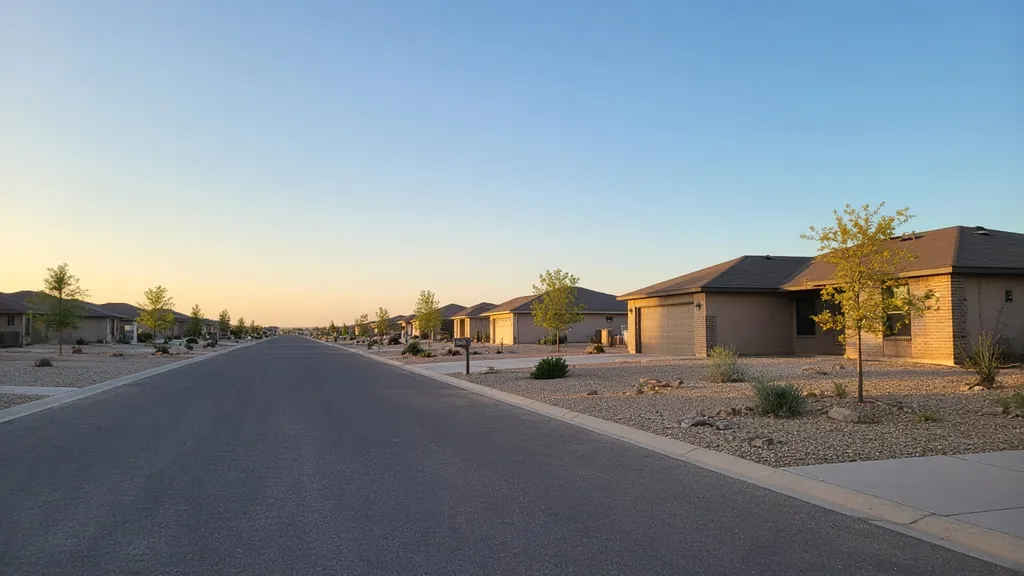
Most Lubbock homes are built on a concrete slab or on pier-and-beam crawlspaces, and true basements are rare. Older central neighborhoods have pier-and-beam houses, detached garages and alleys; newer southwest and south Lubbock streets are mostly single-story brick-veneer homes with attached garages. Gaps where the brick veneer meets the slab, vented crawlspace openings, garage door seals and roofline gaps are the usual entry points.
City vs suburbs
In the city, shared alleys, dumpsters, attached buildings and older sewers support Norway rats. Problems are often block-wide, so it pays to coordinate with neighbors and report public-property issues.
In the suburbs, house mice dominate, with field and deer mice near wooded areas and drainage channels. Garages, crawlspaces and attics are the hot spots, and squirrels are a bigger factor where there are mature trees.
In the Metro East and river towns, grain handling, rail lines and floodplain land add rat pressure, while rural edges bring field mice into garages and outbuildings.
What this means for you
Seal your home in late summer, monitor in the fall, and do not wait until winter if you see signs. See our rodent-proofing checklist, or find your area for local details.
Get a free rodent inspection
Tell us what you are seeing and where. We will book a free inspection with a licensed local technician.
Call (806) 552-2428